Quick Answer
Best Hair Colors For Cool Undertones should be chosen by undertone, natural hair depth, maintenance comfort, and the feeling you want around your face. The safest salon result usually comes from choosing a color family first, then refining brightness, warmth, and placement with a colorist.
Key Takeaways
- Cool undertones are flattered by softened ash, beige, violet, and blue-based depth because those shades calm redness and keep the skin clear.
- Compare undertone and natural depth before choosing brightness.
- Ask about maintenance before committing to highlights, gloss, or all-over color.
- Avoid Orange Copper, Golden Blonde, Warm Auburn if those tones work against your goal.
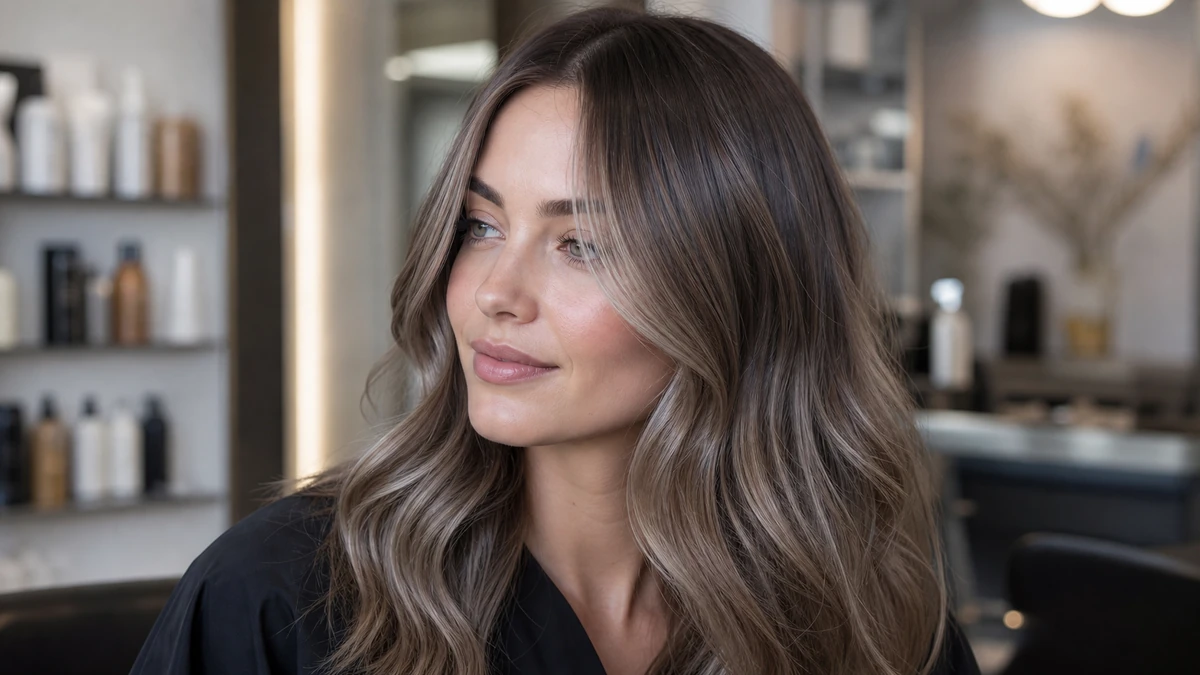
Best Hair Colors For Cool Undertones is easier to choose when you stop asking whether a shade is simply pretty and start asking what it does for your skin, eyes, and daily routine. Cooler pigment balances pink, rosy, or blue undertones without adding extra yellow or orange around the face. That is why a salon consultation should begin with undertone, natural level, hair condition, and how often you want to return for maintenance.
For a broader shade map, start with the Hair Color Chart. If you like dimensional color, compare this guide with our Balayage Hair Color Guide. Not sure about your undertone? Use the free BeautySpire analysis tool before booking. If you are changing both color and cut, our oval face hairstyle guide and square face hairstyle guide can help with the overall frame.
How do you choose best hair colors for cool undertones?
Start with your undertone, then check your natural depth. Cool undertones are flattered by softened ash, beige, violet, and blue-based depth because those shades calm redness and keep the skin clear. If your starting hair is dark, the right answer may be depth with subtle dimension rather than a dramatic lightening session. If your hair is already highlighted, the better move may be a gloss, toner, or lowlight plan that makes the color look intentional again.
A reader with rosy skin wants brunette color but worries about redness. Mushroom brown with soft beige dimension keeps the brunette rich while avoiding the orange warmth that can make cheeks look flushed. This is the kind of real-life planning that keeps a color flattering after the salon lighting disappears. Bring two references you love, one reference you do not want, and ask your stylist which version fits your hair history.
What are the best best hair colors for cool undertones?
The strongest options are not always the loudest. They are the shades that make skin look clearer, hair look healthier, and grow-out feel manageable. Use this shortlist as a salon conversation starter.
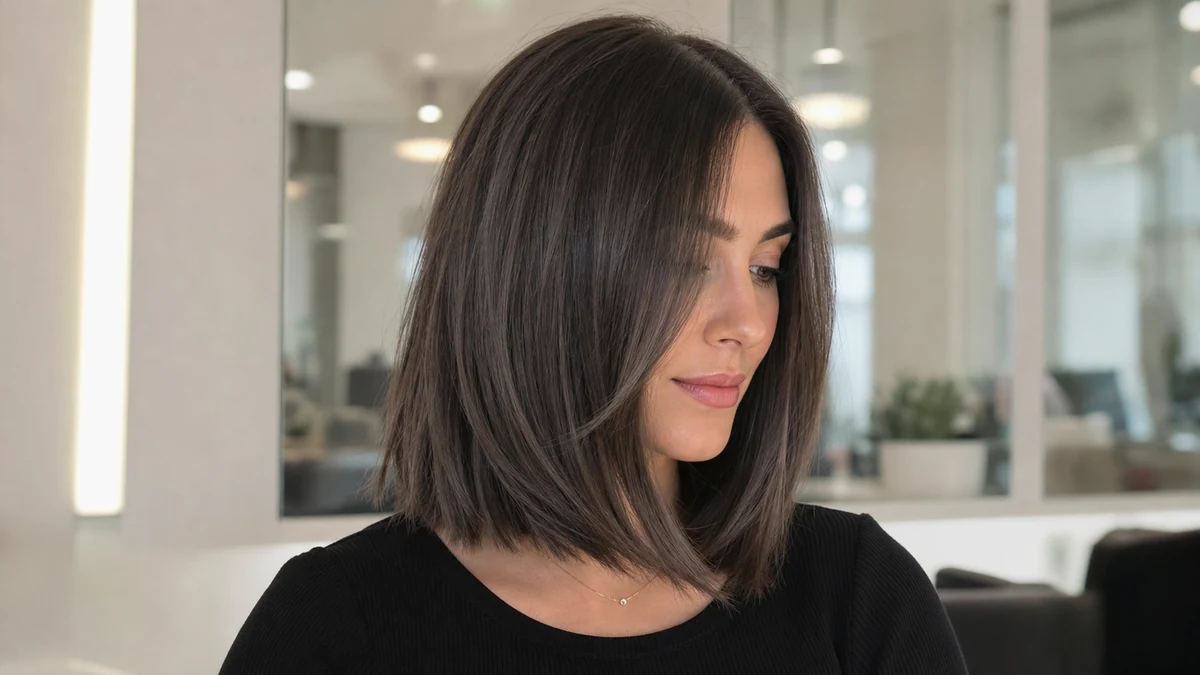
- Ash Brown: Ash Brown works when you want color that supports the face instead of sitting apart from it. The shade is useful because cooler pigment balances pink, rosy, or blue undertones without adding extra yellow or orange around the face. Ask your colorist to adjust the depth to your natural base so the result looks expensive rather than flat. Pros: flattering, salon-friendly, and easy to personalize. Cons: the tone may need glossing or careful shampoo choices to stay fresh. Best for: readers who look better in bright white, charcoal, navy, silver jewelry, berry lipstick, or cool taupe makeup. Mistake to avoid: choosing the swatch without checking how it looks beside your face in natural light.
- Mushroom Brown: Mushroom Brown works when you want color that supports the face instead of sitting apart from it. The shade is useful because cooler pigment balances pink, rosy, or blue undertones without adding extra yellow or orange around the face. Ask your colorist to adjust the depth to your natural base so the result looks expensive rather than flat. Pros: flattering, salon-friendly, and easy to personalize. Cons: the tone may need glossing or careful shampoo choices to stay fresh. Best for: readers who look better in bright white, charcoal, navy, silver jewelry, berry lipstick, or cool taupe makeup. Mistake to avoid: choosing the swatch without checking how it looks beside your face in natural light.
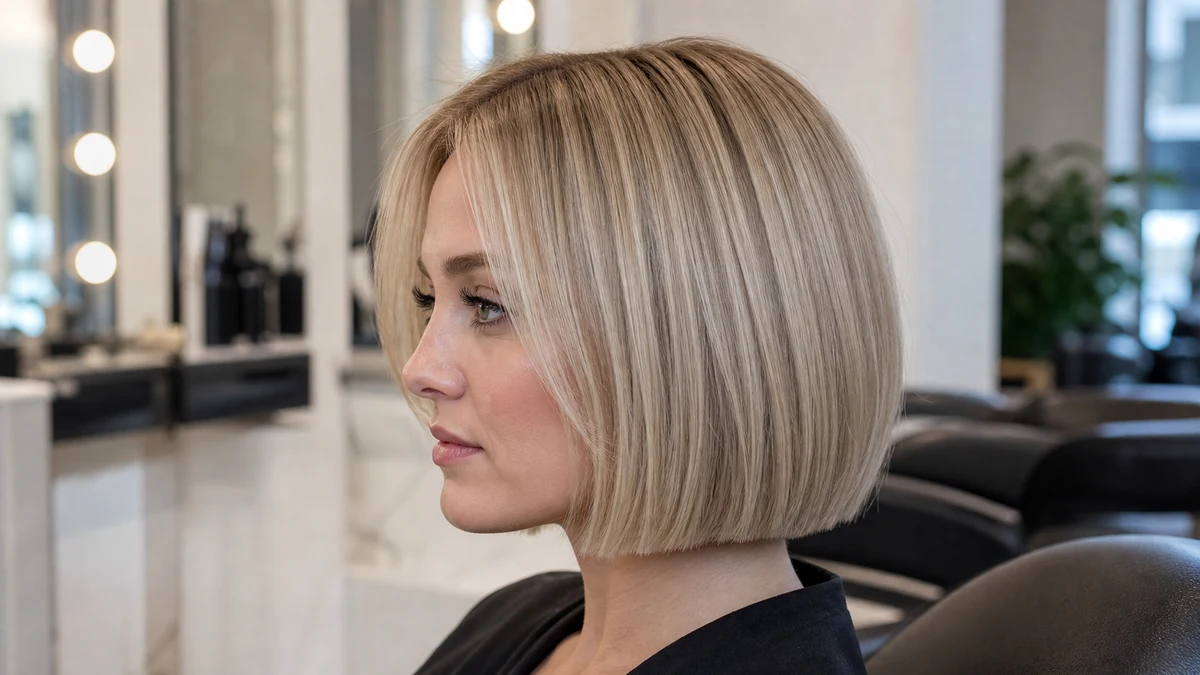
- Beige Blonde: Beige Blonde works when you want color that supports the face instead of sitting apart from it. The shade is useful because cooler pigment balances pink, rosy, or blue undertones without adding extra yellow or orange around the face. Ask your colorist to adjust the depth to your natural base so the result looks expensive rather than flat. Pros: flattering, salon-friendly, and easy to personalize. Cons: the tone may need glossing or careful shampoo choices to stay fresh. Best for: readers who look better in bright white, charcoal, navy, silver jewelry, berry lipstick, or cool taupe makeup. Mistake to avoid: choosing the swatch without checking how it looks beside your face in natural light.
- Pearl Blonde: Pearl Blonde works when you want color that supports the face instead of sitting apart from it. The shade is useful because cooler pigment balances pink, rosy, or blue undertones without adding extra yellow or orange around the face. Ask your colorist to adjust the depth to your natural base so the result looks expensive rather than flat. Pros: flattering, salon-friendly, and easy to personalize. Cons: the tone may need glossing or careful shampoo choices to stay fresh. Best for: readers who look better in bright white, charcoal, navy, silver jewelry, berry lipstick, or cool taupe makeup. Mistake to avoid: choosing the swatch without checking how it looks beside your face in natural light.
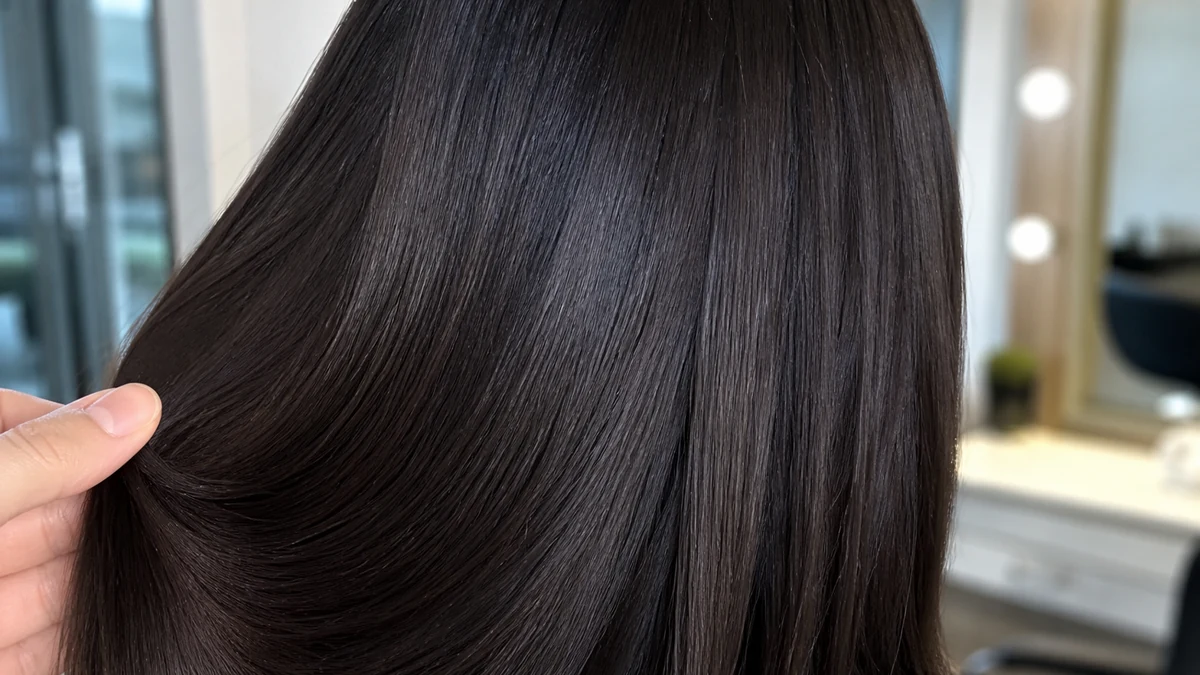
- Cool Espresso: Cool Espresso works when you want color that supports the face instead of sitting apart from it. The shade is useful because cooler pigment balances pink, rosy, or blue undertones without adding extra yellow or orange around the face. Ask your colorist to adjust the depth to your natural base so the result looks expensive rather than flat. Pros: flattering, salon-friendly, and easy to personalize. Cons: the tone may need glossing or careful shampoo choices to stay fresh. Best for: readers who look better in bright white, charcoal, navy, silver jewelry, berry lipstick, or cool taupe makeup. Mistake to avoid: choosing the swatch without checking how it looks beside your face in natural light.
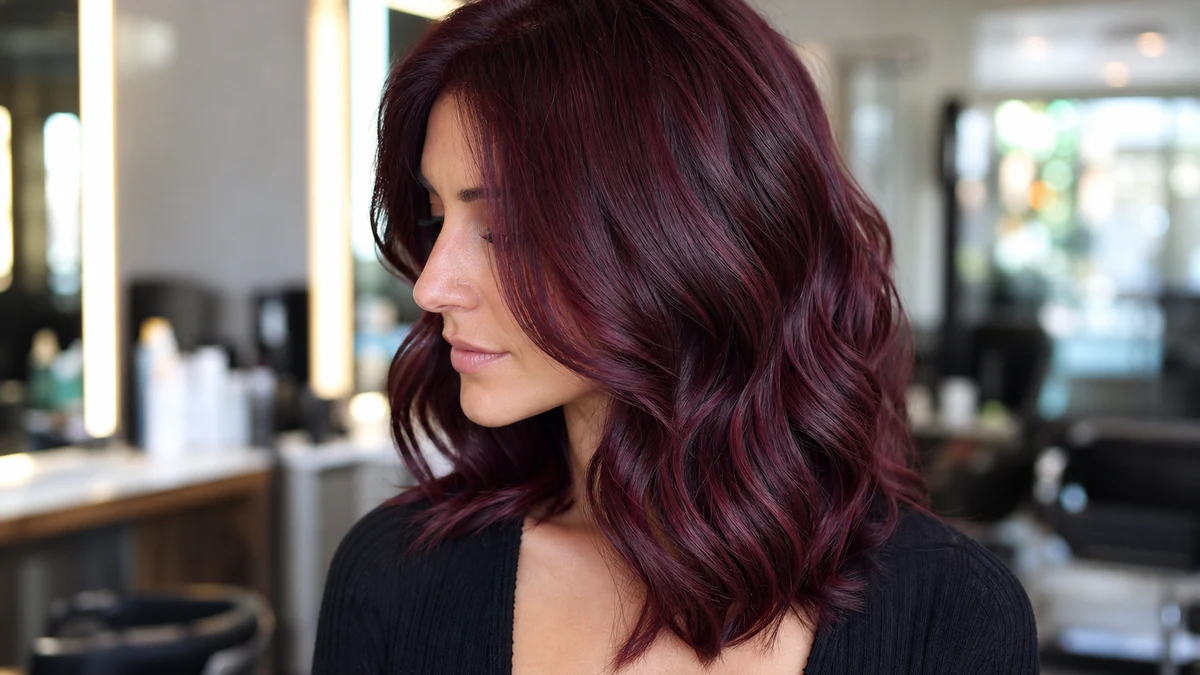
- Burgundy: Burgundy works when you want color that supports the face instead of sitting apart from it. The shade is useful because cooler pigment balances pink, rosy, or blue undertones without adding extra yellow or orange around the face. Ask your colorist to adjust the depth to your natural base so the result looks expensive rather than flat. Pros: flattering, salon-friendly, and easy to personalize. Cons: the tone may need glossing or careful shampoo choices to stay fresh. Best for: readers who look better in bright white, charcoal, navy, silver jewelry, berry lipstick, or cool taupe makeup. Mistake to avoid: choosing the swatch without checking how it looks beside your face in natural light.
How do these shades compare?
A comparison table helps because color regret usually comes from maintenance mismatch, not from choosing an unattractive shade. Use the table to decide whether you want subtle polish, visible change, or a high-impact result.
| Hair Color | Best For | Maintenance | Difficulty | Professional Look |
|---|---|---|---|---|
| Ash Brown | cool undertones | Low | Medium | Polished and dimensional |
| Mushroom Brown | cool undertones | Medium | Medium | Polished and dimensional |
| Beige Blonde | cool undertones | Medium-High | Medium | Polished and dimensional |
| Pearl Blonde | cool undertones | Medium-High | Medium | More expressive |
| Cool Espresso | cool undertones | Medium | Medium | More expressive |
| Burgundy | cool undertones | Medium | Medium | More expressive |
What should you avoid with best hair colors for cool undertones?
Avoid Orange Copper, Golden Blonde, Warm Auburn, Yellow Caramel when those tones create the opposite of your goal. The problem is rarely one color name by itself; it is the temperature and depth against your skin. A blue-black result can look elegant on one person and severe on another. A golden blonde can look glowing on warm skin and yellow on cool skin.
- Skipping undertone: the same swatch can look fresh on one person and dull on another.
- Ignoring natural depth: lifting too many levels at once raises cost, damage risk, and maintenance.
- Choosing flat color: one-dimensional color often looks heavier than a shade with soft variation.
- Forgetting the fade: ask what the color becomes after four to six weeks.
Which option should you choose?
Choose the option that fits your real routine first, then refine the exact shade. A gorgeous color that needs weekly purple shampoo, frequent glossing, or careful heat styling may still be wrong if you know you want a simple routine.
- If you want the safest shift: choose Ash Brown or Mushroom Brown with soft dimension.
- If you want brightness: choose Beige Blonde but keep the root soft.
- If you want impact: choose Pearl Blonde or Burgundy with a gloss plan.
- If you are unsure: stay within two levels of your natural color and test face-framing pieces first.
How do you maintain best hair colors for cool undertones?
Maintenance starts in the shower. Use color-safe shampoo, cooler water, and heat protectant. If your shade is blonde, copper, or heavily toned brunette, ask whether you need a toner, gloss, or color-depositing conditioner. If your color is close to your natural base, your maintenance may focus more on shine and hydration than root coverage.
For example, copper and red-based shades fade faster because warm dye molecules are vivid and noticeable as they soften. Blonde can shift brassy when toner fades. Brunette can look flat if shine disappears. A simple calendar helps: wash gently, protect from heat, book a gloss when shine drops, and refresh face-framing pieces only when they start feeling disconnected.
Common Mistakes
The most common mistakes happen before the appointment. People choose a photo without checking whether the model has the same starting color, hair density, skin tone, or maintenance tolerance. A better plan is to identify the color family, then ask what has to change to make it realistic for your hair.
- Choosing a shade only because it is trending on social media.
- Expecting one appointment to safely create a multi-level transformation.
- Using box dye between salon visits and complicating future color work.
- Forgetting that heat styling and sun exposure can shift tone quickly.
- Bringing only one reference photo instead of a small range of acceptable results.
Related Guides
- Hair Color Chart
- Balayage Hair Color Guide
- BeautySpire analysis tool
- Best Hairstyles for Oval Faces
- Best Hairstyles for Square Faces
Author Bio
Written by the BeautySpire editorial team for readers who want practical, salon-ready beauty decisions based on undertone, maintenance, and real-life styling habits.
Try the Free BeautySpire Tool
If you are not sure whether your undertone is warm, cool, or neutral, use the free BeautySpire analysis tool before choosing your next shade.
Salon Consultation Checklist
Before choosing best hair colors for cool undertones, write down your current color history, your natural root depth, how often you can return to the salon, and which tones you dislike on yourself. This gives the colorist useful boundaries. It also prevents the appointment from turning into a guessing game based only on a filtered photo.
Look at your references in daylight, indoor light, and phone photos. Color that looks balanced in all three situations is usually easier to wear. If one reference only looks good under studio lighting, ask for the everyday version rather than the most dramatic version.
FAQ
What is the best choice for best hair colors for cool undertones?
The best choice is usually one of Ash Brown, Mushroom Brown, Beige Blonde, adjusted to your natural hair depth and maintenance comfort.
How do I know if ash brown will suit me?
Hold a similar swatch near your face in daylight, compare it with your undertone, and ask whether the salon formula needs more warmth, ash, or beige balance.
Should I go lighter or darker first?
Go only one to two levels away from your current base if you want a lower-risk change. Larger shifts need more upkeep and a clearer salon plan.
What should I ask my colorist?
Ask about undertone, maintenance timing, gloss appointments, how the color will fade, and which reference photo is realistic for your starting hair.
Can I use the BeautySpire tool before choosing?
Yes. If you are unsure about undertone, use the free BeautySpire analysis tool to get an undertone result before choosing a shade family.
What makes hair color look expensive?
Balanced dimension, healthy shine, face-framing placement, and a tone that matches your undertone usually look more expensive than a dramatic but mismatched color.
How often will I need maintenance?
Gloss or toner is often needed every six to ten weeks, while root appointments depend on how far the color is from your natural base.
What should I avoid at home?
Avoid hot daily washing, harsh clarifying shampoo, unprotected heat styling, and box-dye corrections over salon color.
Redken Shades EQ shade chart
Cool undertones often need ash, violet, or blue-based glosses. Browse the Redken Shades EQ shade chart directory for level and tone references before you book.