Balayage on blonde hair is best when it looks intentional up close and easy from a distance: softly brighter around the face, dimensional through the mids and ends, and blended enough that regrowth does not create a harsh stripe. For most blondes, the smartest choice is not simply “more blonde.” It is a placement plan: where to brighten, where to leave shadow, and whether your blonde should read beige, honey, pearl, champagne, sandy, or icy.
If your hair is already blonde, balayage can do three different jobs. It can brighten a natural dark blonde base, soften grown-out foils, or add lowlights and root shadow to hair that has become too solid. The right version depends on four practical factors: how much hair you have, how fine or coarse each strand is, your natural texture, and how often you want to style and tone it.
What Blonde Balayage Actually Means
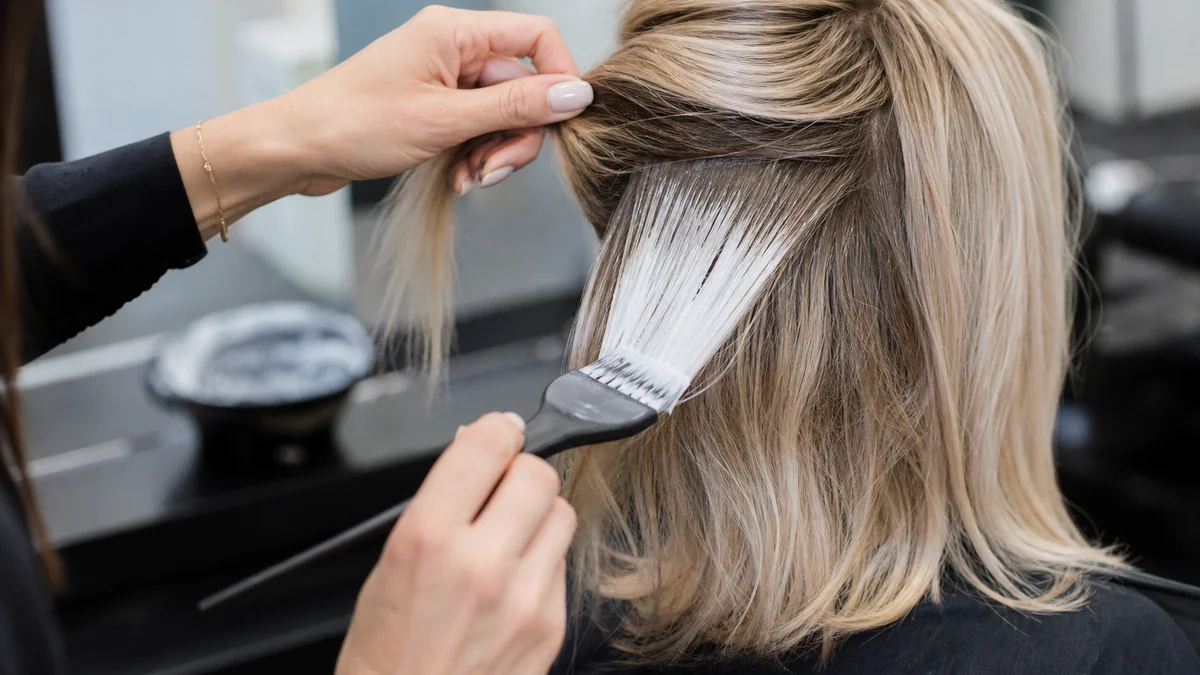
Balayage is a lightening technique, not one single color. Professional brands describe it as freehand painting or sweeping color onto selected areas of the hair for a diffused, sunlit effect. Compared with traditional foil highlights, balayage is usually less uniform and can grow out more softly because the brightest pieces are not always taken directly from the root.
On blonde hair, the technique can be very subtle. A stylist may paint fine ribbons only around the hairline and surface layers, or may create a brighter beach-blonde effect through the full head. Some salons also use foils with balayage-style placement when extra lift is needed; Wella notes that foils can be added to increase lift, a variation often called foilyage.
The important takeaway: ask for the result, not just the buzzword. “Soft beige ribbons through my dark blonde base” is clearer than “balayage.” So is “I want to break up solid blonde with lowlights and a shadow root.”
Best Blonde Balayage Choices by Starting Color
Natural dark blonde hair usually looks best with sandy, beige, wheat, or soft honey balayage. These tones add movement without making the base look dull. If you want a brighter result, ask whether a partial balayage around the face and crown will be enough before committing to a full blonding session.
Medium golden blonde can handle creamy, champagne, or soft vanilla pieces. If your hair turns yellow quickly, talk with your colorist about a cooler beige toner rather than jumping straight to icy blonde. Cooler blondes can be beautiful, but they tend to show brassiness and dullness faster when the hair is exposed to sun, hard water, heat styling, or chlorine.
Light blonde hair often needs depth more than lift. If your ends are already pale, adding even more bleach may create a flat, fragile-looking result. A reverse balayage, root smudge, lowlights, or fine beige ribbons can make light blonde look more expensive without pushing the ends lighter.
Previously highlighted blonde is the category where consultation matters most. Your stylist needs to see the old highlight pattern, the condition of the ends, and any banding from past color. A gloss, root shadow, and selective brightening may give a fresher look than a full repaint.
Fine Strands vs Low Density: Why It Changes Placement
Fine hair and low-density hair are not the same thing. Fine hair describes strand diameter: each individual hair is small. Density describes how many hairs are present in an area. Clinical hair research treats hair density and hair diameter as separate measurements, and published trichometry research describes very fine hair around 40 micrometers in diameter and very coarse hair around 100 micrometers. You can have fine strands but lots of hair, or coarse strands with lower density.
This distinction matters because balayage creates contrast. On fine strands, wide pale panels can look stripey or make the ends appear see-through. Finer, narrower ribbons usually look softer. A gentle root shadow can also make the hair look less flat without requiring heavy lightening.
Low-density hair needs a different kind of restraint. If too many surface pieces are lightened, the scalp can look more visible, especially near the part. Strategic brightness around the face and a few interior lowlights can create the impression of depth without trying to “fix” density. If you notice sudden shedding, new patchiness, or a widening part that concerns you, that is a dermatologist question rather than a salon-color question; the American Academy of Dermatology explains that hair shedding and hair loss have many causes and are diagnosed medically.
Choosing by Texture and Styling Effort
Straight blonde hair shows placement very clearly. If you wear your hair straight most days, ask for delicate diffusion at the root and no chunky horizontal bands through the mids. A soft money piece can work, but it should connect into the rest of the color instead of sitting like two isolated streaks.
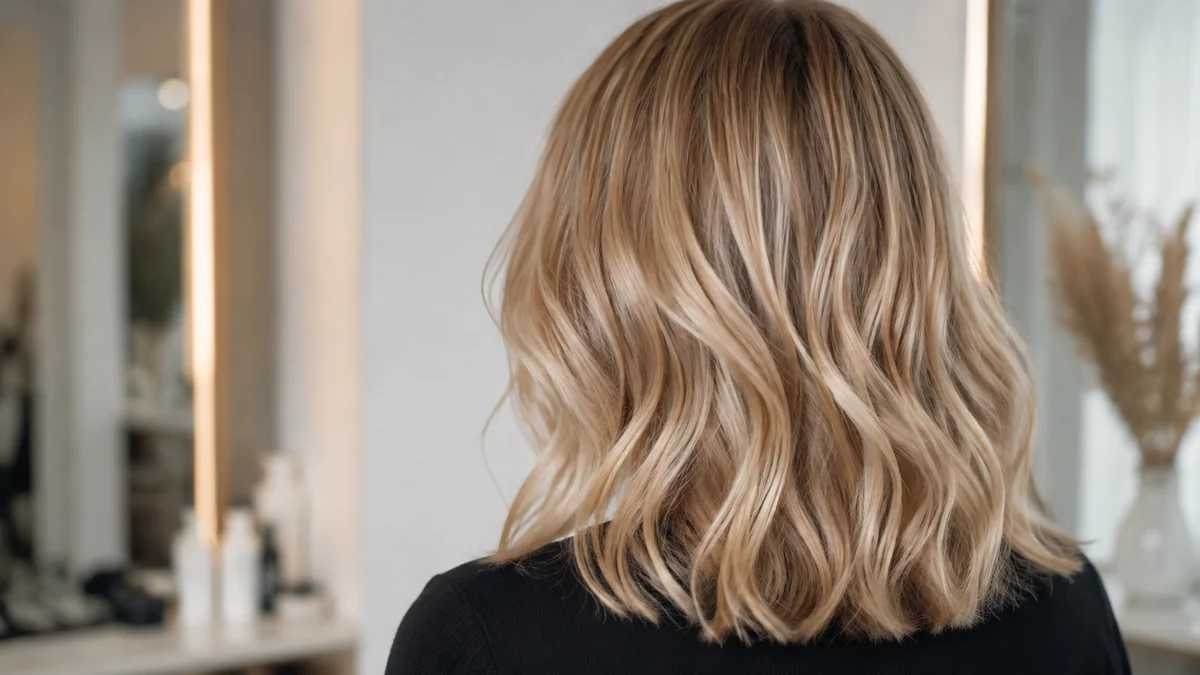
Wavy hair is often the easiest canvas for blonde balayage because bends reveal different tones as the hair moves. Medium ribbons, a brighter hairline, and lighter ends can look natural with air-dried waves. If you rarely style your hair, ask for placement that looks good without curling iron waves.
Curly and coily blonde hair need a curl-aware approach. Because curls group into visible pieces, highlights that look subtle on straight hair may read bolder once the curl pattern springs back. Ask your stylist to consider your dry shape, shrinkage, and where curls naturally separate. Painted brightness on the outer curve of selected curls can look dimensional, while over-lightened ends can make curls look dry or undefined.
Coarse strands can usually carry stronger contrast than fine strands, but they may need more processing time or a different lightening strategy. Very porous blonde ends, regardless of texture, may grab toner unevenly. A strand test is worth asking for if your hair has been bleached, relaxed, permed, chemically straightened, or repeatedly heat styled.
Comparison Table: Blonde Balayage Options
| Option | Best For | Effect | Maintenance | Watchouts |
|---|---|---|---|---|
| Face-frame balayage | Blondes wanting visible brightness with less commitment | Lightens around the hairline and front layers | Gloss or toner as needed; color refresh less often than full blonding | Can look disconnected if the front is much lighter than the rest |
| Partial balayage | Fine strands, low-density hair, or first-time color | Adds surface dimension through crown and sides | Lower upkeep than full coverage | Underlayers stay darker, which may show in updos |
| Full blonde balayage | Medium to high density hair seeking all-over brightness | Brighter mids and ends throughout | More salon time and toning than partial work | Ends can become over-lightened if repeated too often |
| Reverse balayage | Over-highlighted or solid blonde hair | Adds darker blonde or light brown depth | Often easier grow-out than constant bleach touch-ups | Too-dark lowlights can feel muddy on very pale blonde |
| Foilyage | Dark blonde bases needing extra lift | Balayage-style placement with stronger brightening | Similar to brighter highlight upkeep | More lift can mean more stress on the hair fiber |
| Gloss-only refresh | Existing balayage that looks dull or brassy | Adjusts tone and shine without major new lightening | Often scheduled between color appointments | Will not create major brightness by itself |
Tone Ideas That Stay Wearable
Beige Blonde Balayage
Beige is a balanced choice when you do not want hair to look too gold or too ash. It is especially useful for natural dark blondes and blondes who wear neutral makeup or mixed metals. Beige balayage can also soften the line between grown-out highlights and the natural base.
Honey Blonde Balayage
Honey tones bring warmth and shine to darker blonde bases. They are forgiving if your hair naturally exposes yellow or gold when lightened. Honey is also a practical choice if you spend time outdoors, because very cool blondes can require more frequent toning to stay crisp.
Champagne Blonde Balayage
Champagne sits between beige and pale gold. It gives light blonde hair polish without going silver. This is a strong option for people who want brightness around the face but still want the overall color to look soft.
Pearl or Icy Blonde Balayage
Pearl and icy shades need a pale enough canvas and careful upkeep. They can look striking on naturally light blonde hair or previously lightened hair in good condition, but they are less forgiving of hard water, heat styling, and missed toner appointments. Ask your stylist what level your hair must lift to and whether your ends can handle it.
Sandy Rooted Blonde
A sandy root with lighter ends is one of the most practical blonde balayage options. It gives dimension, avoids a solid bleach look, and usually grows out softly. This is a good direction if you want your blonde to look natural in daylight and not overly bright in indoor lighting.
Salon Consultation Checklist
Bring this checklist to your appointment or use it when booking so the salon can schedule enough time.
- Photos: Bring two or three examples of blonde balayage you like and one example you do not like.
- Starting point: Tell your stylist if your hair is natural blonde, previously highlighted, box-dyed, toned, glossed, or lightened at home.
- Goal tone: Choose words like beige, honey, champagne, sandy, pearl, or icy instead of only saying “blonde.”
- Brightness level: Decide whether you want subtle dimension, face-framing brightness, or a full brighter blonde result.
- Hair behavior: Explain whether your hair is fine, coarse, low density, high density, straight, wavy, curly, or coily.
- Daily styling: Tell the truth about whether you air-dry, heat style weekly, wear ponytails, or usually wear your hair straight.
- Maintenance budget: Ask how often you will need glosses, toners, trims, and full color refreshes.
- Condition check: Ask whether your ends need a bond-building treatment, trim, strand test, or slower blonding plan.
- Placement map: Ask where the brightest pieces will be: hairline, crown, mids, ends, or selected curls.
- Grow-out plan: Ask what the color will look like in eight to twelve weeks and what service you should book next.
Maintenance: How to Keep Blonde Balayage Clear and Soft
Blonde balayage is lower-maintenance than a solid bleach-and-tone or traditional root-to-tip highlights, but it is not no-maintenance. L’Oreal Professionnel notes that balayage may last around 8 to 14 weeks, with toning often recommended around six weeks to revive tone and shine. Redken also emphasizes gloss treatments, color-safe products, deep conditioning, and heat protection for maintaining balayage.
Use a color-safe shampoo and conditioner, and avoid washing more than your scalp and lifestyle require. Purple shampoo can help soften yellow tones on blonde hair, but it is not a daily cure-all. Overuse can make blonde look smoky, dull, or slightly violet, especially on porous ends. Blue-violet or purple products should match the warmth you are trying to neutralize, and your colorist can tell you how often to use them.
Heat styling is another major maintenance factor. Professional sources consistently recommend reducing unnecessary heat and using heat protection when blow-drying, curling, or flat-ironing color-treated hair. Heat can make already-lightened hair feel drier and can contribute to faster-looking fade.
Water and sun exposure matter too. L’Oreal Professionnel links brassiness and dullness with factors such as hard water, metals, ultraviolet exposure, and chlorine. If your blonde turns yellow or orange quickly, ask your stylist whether hard-water buildup could be part of the issue. A shower filter, clarifying plan, salon metal-prep service, or toning appointment may help, depending on your hair and water.
The American Academy of Dermatology advises that lightening hair more than three shades generally requires stronger peroxide and can cause more damage. That does not mean you cannot go brighter, but it does mean major blonde changes should be planned carefully, especially if your hair is fine, porous, curly, chemically treated, or already lightened.
Common Mistakes to Avoid
The first mistake is asking for icy blonde balayage when your hair naturally lifts warm and you do not want frequent toning. A beige or champagne result may look fresher longer than a pale silver result that fights your underlying warmth.
The second mistake is lightening every visible end. Blonde dimension needs shadow. If the entire bottom half becomes the same pale shade, the balayage can start to look like grown-out bleach rather than a soft gradient.
The third mistake is ignoring the haircut. Balayage placement should follow the layers, face frame, and natural fall of the hair. If you plan to cut several inches off, do that before or during the color appointment so the brightest pieces are not removed immediately.
The fourth mistake is copying a curled photo when you wear your hair straight. Many balayage photos are styled in waves because waves show contrast beautifully. Ask to see or discuss how the placement will look smooth, air-dried, pulled back, and under indoor lighting.
Who Should Choose a Softer Blonde Balayage
Choose a softer blonde balayage if your hair is fine, fragile, low density, naturally warm, or already lightened through the ends. Softer does not mean boring. It means your stylist leaves enough of your base color visible so the blonde pieces have contrast.
A subtle partial balayage can be especially flattering if you want brightness near your face without committing to a full blonding schedule. It is also a smart first step if you are unsure how your hair handles lightener. You can always add more brightness later; repairing over-lightened ends takes longer.
Choose a bolder blonde balayage if your hair is in strong condition, you have enough density to support more light pieces, and you are comfortable with glosses, purple or color-correcting care, and regular trims. Bolder blonde is a maintenance choice as much as a color choice.
FAQs
Is balayage good for already blonde hair?
Yes, if the goal is clear. Already blonde hair can be brightened with selective pieces, softened with a root shadow, or given depth with reverse balayage. If your ends are very pale or porous, your stylist may recommend glossing and lowlights instead of more bleach.
How often does blonde balayage need touch-ups?
Many people can stretch balayage longer than traditional root highlights because the grow-out is softer. A toner or gloss around six weeks and a larger refresh around eight to fourteen weeks is a common professional recommendation, but your schedule depends on tone, placement, water exposure, and how fast your hair grows.
Will balayage make fine blonde hair look thinner?
It can if the pieces are too wide, too pale, or concentrated on the part line. Fine strand diameter needs delicate placement. Low-density hair needs enough shadow left in place so the scalp does not look more exposed.
Can I get blonde balayage without bleach?
If you want hair lighter than your current blonde, some form of lightening is usually involved. A gloss can shift tone and add shine, and lowlights can add depth, but they will not create major brightness. Ask your stylist what is realistic for your starting level and condition.
Sources Reviewed
- Blonde and Balayage Color Services | Wella Professionals US
- How to Master Your Balayage Technique | Wella Professionals
- Full vs Partial Balayage: Which Is Right for You? | Wella Professionals US
- Redken’s Guide to Understanding Balayage vs Highlights vs Ombre
- How to Avoid Brassy Balayage Hair in 5 Ways | L’Oreal Professionnel
- Balayage Hair Colour and Shades | L’Oreal Professionnel
- Coloring and Perming Tips for Healthier-Looking Hair | American Academy of Dermatology
- Do You Have Hair Loss or Hair Shedding? | American Academy of Dermatology
- Cross-section Trichometry: A Clinical Tool for Assessing the Progression and Treatment Response of Alopecia
Related Redken Shades EQ blonde shades
For blonde balayage gloss and toner references on the chart: