Quick Answer
For oval vs round face, the most flattering choice is the one that helps separate two commonly confused soft face shapes by checking length, cheek width, jaw softness, and styling goals. Focus less on copying a trend and more on where the cut adds height, width, softness, or movement around your face.
Key Takeaways
- Separate two commonly confused soft face shapes by checking length, cheek width, jaw softness, and styling goals.
- Use a clear front-facing photo or measurements before choosing a cut.
- Helpful moves include compare face length to width, check whether the cheeks are the widest point, look for vertical balance.
- Be careful with assuming every soft face is round, calling a long balanced face round.
- Keep hair texture, maintenance, and salon skill level in the decision.
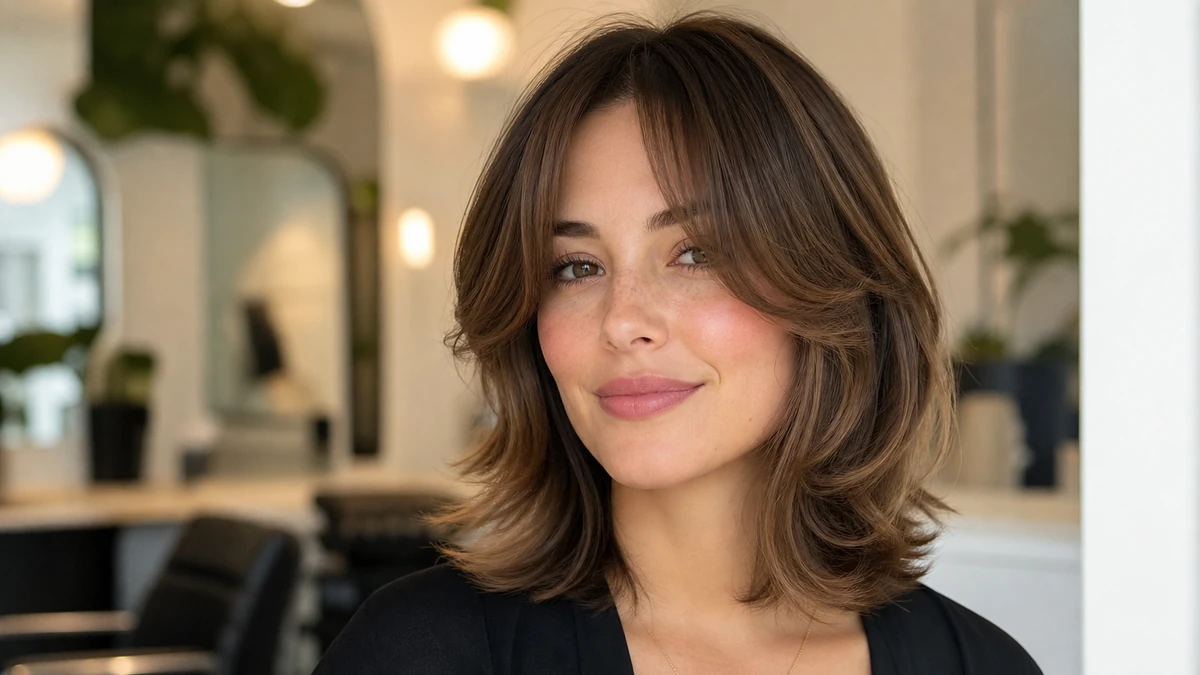
Oval vs Round Face: How to Tell the Difference is not about forcing your face into a category. It is about understanding proportion so your haircut works with your features. The same bob, fringe, or long layer can look soft on one person and heavy on another because the widest point of the face, jawline shape, and visual length are different.
If you are unsure where to start, use the free BeautySpire AI Face Tool. It can help you compare face shape and undertone before you decide on a haircut or hair color. For hair health basics before a major change, the American Academy of Dermatology also has practical healthy hair care tips.
What makes oval and round face different?
The defining concern is simple: separate two commonly confused soft face shapes by checking length, cheek width, jaw softness, and styling goals. That does not mean every reader with this shape needs the same haircut. It means the haircut should create the right visual direction. Some people need height, some need softness, some need width at the sides, and some need less weight at the jaw.
A reader may have soft cheeks but still be oval if the face length is visibly greater than width and the jawline tapers gently. This is why a good consultation asks how you wear your hair, where it naturally expands, and how much time you want to spend styling.
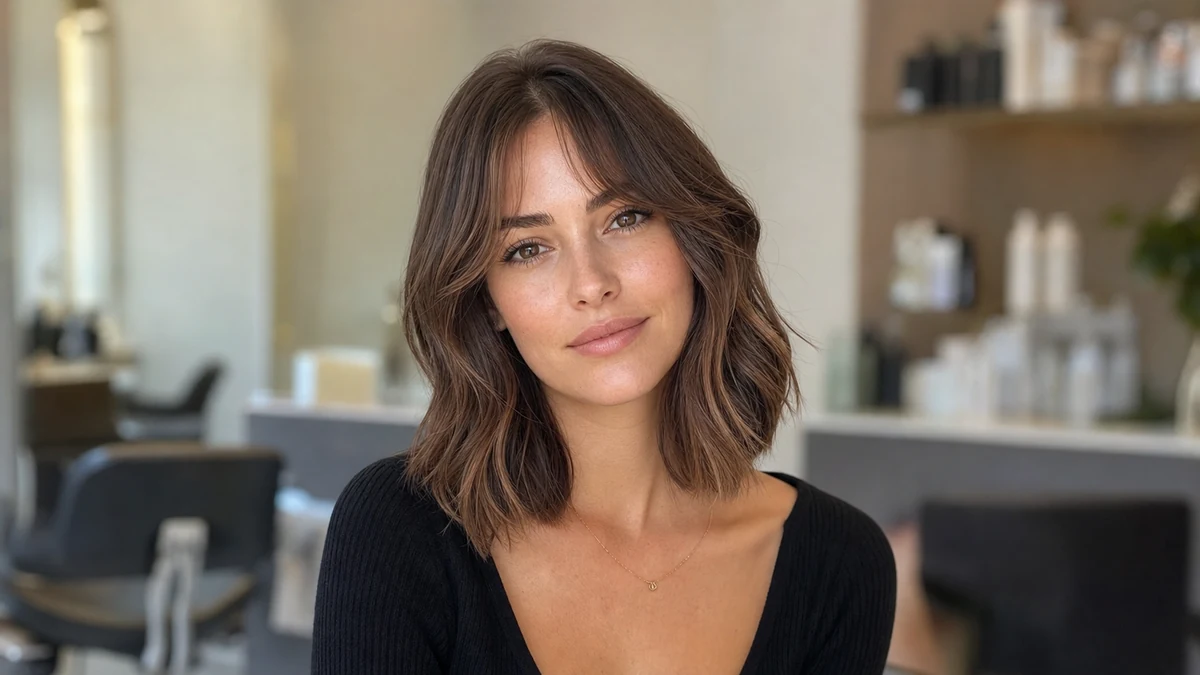
Best hairstyle moves for oval and round face
The best options are flexible starting points, not strict rules. A stylist can adapt each move for fine hair, thick hair, curls, waves, or straight texture. Use these recommendations to describe the effect you want, then let the cut be customized.
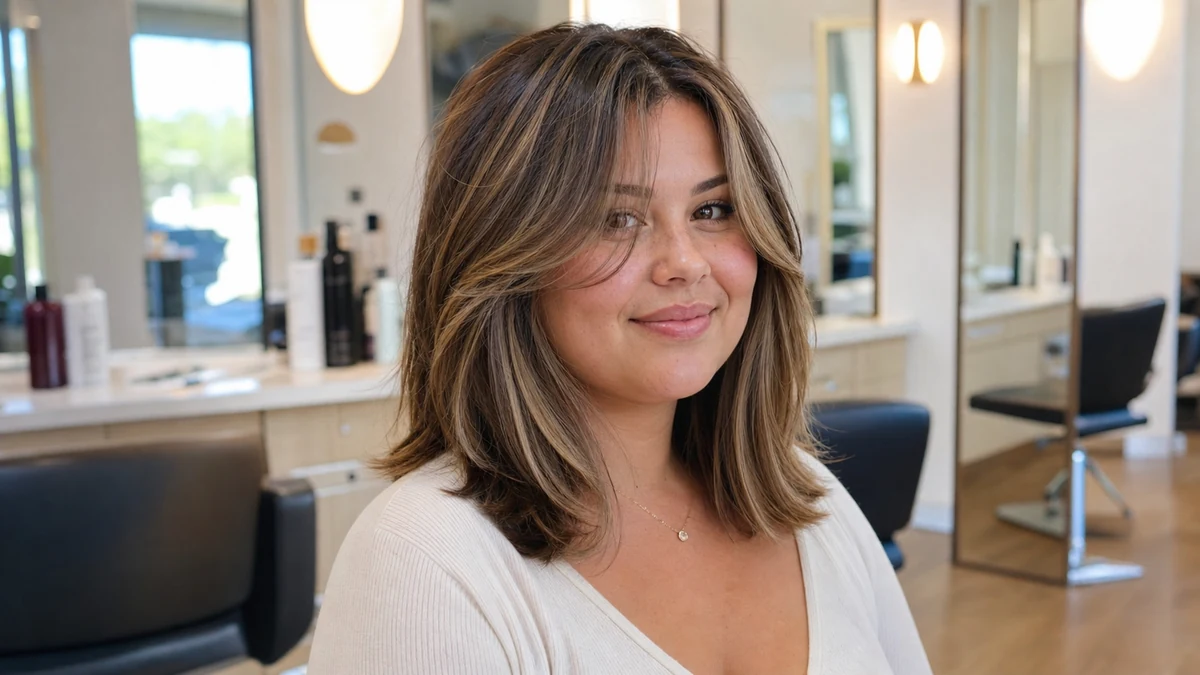
- Compare Face Length To Width: This works for oval and round face because it supports the main goal: separate two commonly confused soft face shapes by checking length, cheek width, jaw softness, and styling goals. Pros: flattering, practical, and easy to adjust to hair texture. Cons: the result still needs the right length, density, and daily styling plan.
- Check Whether The Cheeks Are The Widest Point: This works for oval and round face because it supports the main goal: separate two commonly confused soft face shapes by checking length, cheek width, jaw softness, and styling goals. Pros: flattering, practical, and easy to adjust to hair texture. Cons: the result still needs the right length, density, and daily styling plan.
- Look For Vertical Balance: This works for oval and round face because it supports the main goal: separate two commonly confused soft face shapes by checking length, cheek width, jaw softness, and styling goals. Pros: flattering, practical, and easy to adjust to hair texture. Cons: the result still needs the right length, density, and daily styling plan.
- Test Hairstyles That Add Height: This works for oval and round face because it supports the main goal: separate two commonly confused soft face shapes by checking length, cheek width, jaw softness, and styling goals. Pros: flattering, practical, and easy to adjust to hair texture. Cons: the result still needs the right length, density, and daily styling plan.
- Use Measurements With A Front-Facing Photo: This works for oval and round face because it supports the main goal: separate two commonly confused soft face shapes by checking length, cheek width, jaw softness, and styling goals. Pros: flattering, practical, and easy to adjust to hair texture. Cons: the result still needs the right length, density, and daily styling plan.
Oval Vs Round Face comparison table
This table turns the main decision into salon language. Instead of saying only that you want something flattering, you can explain what the haircut needs to balance.
| If you notice… | Choose… | Why it helps |
|---|---|---|
| If length is clearly greater than width | oval is more likely | separate two commonly confused soft face shapes by checking length, cheek width, jaw softness, and styling goals |
| If width and length feel close | round is more likely | separate two commonly confused soft face shapes by checking length, cheek width, jaw softness, and styling goals |
| If both seem close | style for the feature you want to balance | separate two commonly confused soft face shapes by checking length, cheek width, jaw softness, and styling goals |
Which option should you choose?
- If if length is clearly greater than width: oval is more likely.
- If if width and length feel close: round is more likely.
- If if both seem close: style for the feature you want to balance.
For most readers, the safest first step is compare face length to width. It gives the face a clearer frame without requiring a dramatic transformation. If you want a bigger change, combine two ideas, such as layers plus bangs or side volume plus a softer part.

Example scenario
A reader may have soft cheeks but still be oval if the face length is visibly greater than width and the jawline tapers gently. A practical salon plan would start with the minimum change that creates the desired balance. That might be a different part, a few face-framing pieces, softer ends, or a fringe that can be pinned back while you learn how it behaves.
Reference photos help, but the best references show similar hair density and texture. A fine-haired reader may need softer layers than a thick-haired reader. A curly-haired reader may need dry-cut shaping so the balance still works when the curls spring up.
Common mistakes
Most mistakes come from treating face shape advice as a rulebook instead of a map. The goal is not to hide features. The goal is to guide the eye so the haircut feels intentional.
- Assuming every soft face is round.
- Calling a long balanced face round.
- Choosing width-heavy styles before checking proportions.
- Choosing a cut that only looks good with a daily blowout when your routine is air-drying.
- Ignoring how color placement changes the visual width around the face.
Maintenance advice
Face-shape flattering details need upkeep. Bangs, face-framing layers, and short textured pieces usually need trims more often than long one-length hair. If you want a lower-maintenance version, ask your stylist to keep the shortest layers long enough to tuck, pin, or blend as they grow.
Color can support the haircut too. Brightness around the face can pull attention upward; darker lowlights can reduce width in a specific zone; balayage can make layers more visible. If you are changing cut and color together, plan the shape first and the color placement second.
How to discuss this with your stylist
Say the balance goal out loud: separate two commonly confused soft face shapes by checking length, cheek width, jaw softness, and styling goals. Then ask your stylist where the shortest layer should begin, where the widest part of the shape will sit, and how the cut will look when styled the way you actually wear it. This conversation keeps the appointment focused on proportion instead of a generic trend name.
It also helps to mention what has not worked before. If a blunt bob made your face feel wider, say that. If long flat hair made your face feel longer, say that. Those clues help your stylist adjust the length, layering, and face-framing pieces before cutting.
Related Guides
- Face Shape Guide
- Free BeautySpire AI Face Tool
- AAD healthy hair care tips
- Best Hairstyles for Oval Faces
- Best Hairstyles for Square Faces
- Best Hairstyles for Diamond Faces
- Short Haircuts for Round Faces
- Hair Color Chart
Author Bio
Written by the BeautySpire editorial team for readers who want practical beauty decisions based on face shape, undertone, haircut balance, and everyday styling habits.
Try the Free BeautySpire Tool
Still unsure about your shape? Use the free BeautySpire AI Face Tool, then bring your result to this guide before choosing your next haircut.
FAQ
What is the best hairstyle for oval and round face?
The best hairstyle for oval and round face supports the main balance goal: separate two commonly confused soft face shapes by checking length, cheek width, jaw softness, and styling goals. Start with compare face length to width and adjust for hair texture.
How do I know my face shape is correct?
Use a straight-on photo, compare forehead, cheekbone, jawline, and face length, then confirm with the BeautySpire tool if you want a second check.
Should I choose a haircut only by face shape?
No. Face shape is useful, but hair density, texture, maintenance, lifestyle, and personal style should also guide the final choice.
Can bangs work for this face shape?
Yes, but the best type of bangs depends on whether you need softness, width, height, or less visual length.
What should I ask my stylist?
Ask where the cut will add width, where it will remove weight, how it will grow out, and how much daily styling it needs.
What mistake causes the least flattering result?
The biggest mistake is usually assuming every soft face is round, because it works against the proportion you are trying to balance.
Can hair color placement help face shape?
Yes. Face-framing brightness, lowlights, and balayage placement can change where the eye looks, especially around cheekbones and jawlines.
How often should I update the cut?
Most face-framing layers and bangs need a tidy-up every six to ten weeks, while longer layered cuts can often go longer.